













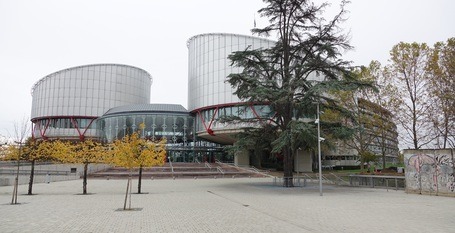
Moldova discriminated against an LGBTQ+ organisation by repeatedly moving its marches away from central Chișinău, the European Court of Human Rights ruled in a final judgment notified on 15 October 2026.
Genderdoc-M had planned a peaceful march for 19 May 2013 to promote LGBTQ+ rights. After two other organisations announced counter-marches, the mayor’s office asked a domestic court to move the event. The order came on 18 May, the day before the march, sending it farther from the city centre.
The Strasbourg court examined that episode alongside earlier events. It compared the municipality’s approach with another city-centre dispute involving events commemorating the end of World War II and victims of Soviet repression, when both had been allowed to proceed. The judges also considered the then mayor’s statement that gay people should stay at home. They found a difference in treatment based on sexual orientation.
The domestic authorities had cited the risk of violence. The European judges said the threats came from other groups and individuals; there was no showing that Genderdoc-M’s members had acted violently or unlawfully. Repeatedly moving the targets of those threats, instead of dealing with the aggressors, was disproportionate to the aim of protecting public order, the court found.
Moldova’s government had argued that the association’s own rights were unaffected. The court rejected that objection: as the organiser, Genderdoc-M directly experienced the consequences when its events were moved.
The judges unanimously found that Moldova breached the European Convention on Human Rights’ ban on discrimination together with its protection for peaceful assembly. They ordered the state to pay Genderdoc-M €4,500 in compensation for non-financial harm within three months. Moldova’s government agent has published a summary of the ruling.


 列印版本
 RSS Feed:


讀者回應
搶先發表第一個回應吧!
請先登入再使用此功能。