













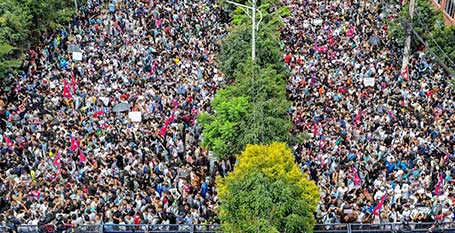
Nepal’s decision to block dozens of social media platforms sparked the biggest youth-led protests the country has seen in years. Among the diverse crowds were LGBTQ activists who said the shutdown harmed free speech and cut off lifelines for vulnerable people.
The Nepal Telecommunications Authority blocked major platforms earlier in September, citing new registration rules. The ban covered X, Facebook, YouTube, Instagram, and other widely used apps. As the restrictions took effect, students organised rallies across Kathmandu and other cities. LGBTQ groups joined the demonstrations, highlighting the unique role that online spaces play in queer life in South Asia.
Activists described social media as a critical tool for community, safety, and health information. Many queer Nepalis rely on encrypted chats and private groups to share resources on HIV services, housing and mental health. When the apps went dark, those networks fractured. Some organisers turned to phone trees and in person meets to keep support systems running.
Police responded to the protests with tear gas and arrests. Rights monitors reported injuries and at least one death during the unrest. The crisis soon became a test of leadership for the government. Facing escalating public anger, the prime minister stepped down and an interim cabinet promised to review the bans and consult civil society on digital rights protections.
For LGBTQ advocates, the episode underscored how digital policy can become a human rights issue. They called for a transparent system that preserves free expression while addressing real harms like doxxing and harassment. Several groups proposed a framework that would require court orders for platform shutdowns, plus targeted measures against incitement rather than blanket bans.
Community leaders say the protests also built unlikely alliances. Young people from different backgrounds, including student unions and queer networks, marched together and spoke on the same stages. That solidarity, they argue, is a foundation for broader equality campaigns in the months ahead.


 列印版本
列印版本


 RSS Feed:


讀者回應
It would be a little awkward for the trans women Nepal has passed the same sex marriage, by data, the second in Asia but in fact it was the first, as the Covid lockdown closed the announcement of the legal court
Many gays are side gays, they get married unlike the lesbians, they are almost 100% side lesbians. Therefore the gays and lesbians took part in the protest was nothing surprised. Homosexuality people should take part in all forms of activities in the society even the country has yet to pass the same sex marriage law.
Homosexual people are not special class, 6 in 10 men are gays, with 80% of them are side gays.
Look at the gay fingers. Fridae does not allow link here but still can go there for the look riverofrainbow.blogspot.com
請先登入再使用此功能。